
Food Safety Improves When Staff Recognize Frying Oil Warning Signs
Food safety is an essential component of any food service operation, and one critical aspect that often goes unnoticed is the management of frying oil. The quality of frying oil can significantly impact food safety, as well as the taste and nutritional value of fried foods. When staff are trained to recognize the warning signs indicating that frying oil has deteriorated, they play a pivotal role in maintaining high standards of food safety.
Frying oil degrades over time due to exposure to heat, moisture, and air. This degradation leads to the formation of harmful compounds such as acrylamide and trans fats. Recognizing when oil needs changing not only ensures better-tasting dishes but also reduces health risks associated with consuming degraded oils. Staff awareness about these frying oil warning signs can thus prevent potential health hazards for customers.
One primary indicator that frying oil requires attention is its color change. Fresh frying oil typically has a light golden hue; however, as it breaks down, it becomes darker due to accumulated impurities and residues from previously cooked foods. A darkened appearance often signals oxidation or polymerization processes at work—both detrimental to food quality and safety.
Another crucial sign is the presence of rancid odors emanating from used oil. As oils degrade, they release volatile compounds responsible for unpleasant smells reminiscent of stale or spoiled products. These odors are clear indicators that the chemical structure within the oils has altered unfavorably—a situation demanding immediate rectification by replacing old with fresh supplies.
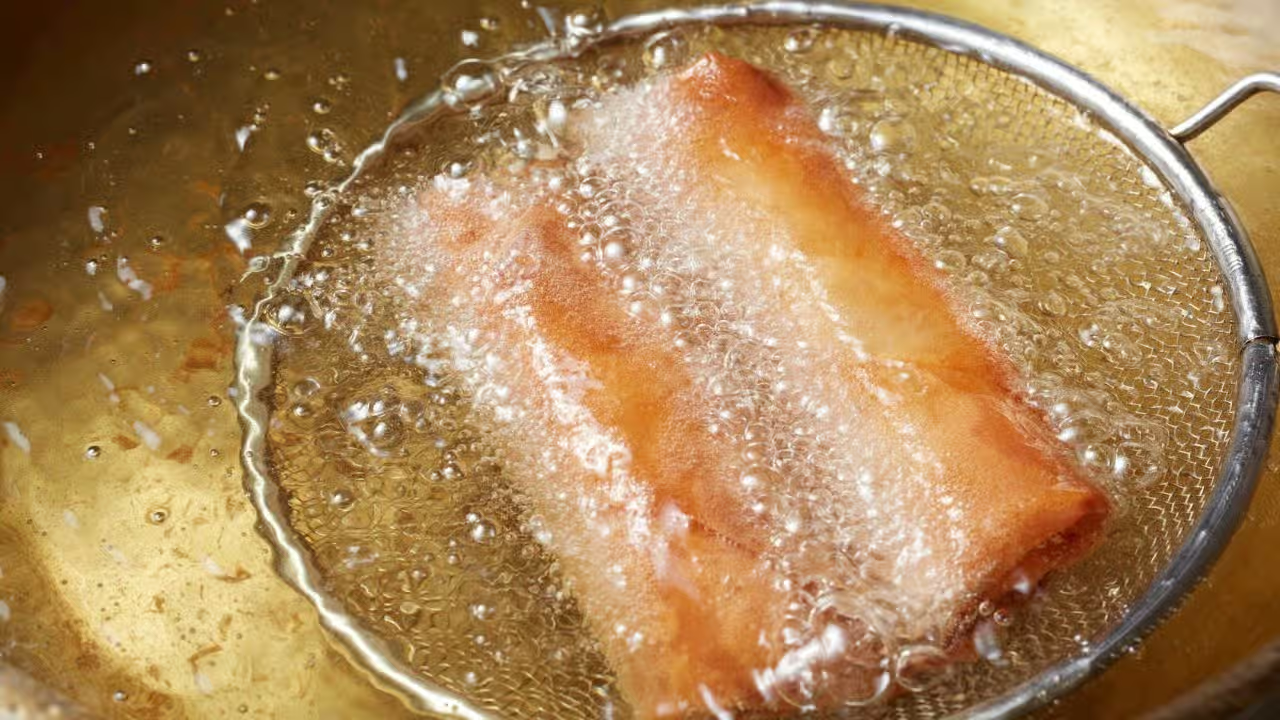
Foaming during cooking serves as another telltale sign warranting attention from kitchen personnel regarding their fryers’ condition status quo-wise: excessive foam suggests contaminants have infiltrated batches beyond acceptable limits set forth industry-wide guidelines governing safe practices therein!
Moreover—and perhaps most importantly—the flavor profile changes experienced once pristine batches turn sour should never go unnoticed among those tasked overseeing daily operations involving deep-fried offerings alike! Customers expect consistent tastes across all menu items ordered; deviations caused by poor-quality inputs inevitably lead them astray elsewhere seeking alternatives instead!